
Common Areas Roaches Hide
Local service providers can help eliminate roaches that hide in common areas, ensuring your space stays pest-free by targeting their typical hiding spots.
If you’ve noticed signs of roaches in common areas of your property, it’s understandable to feel concerned about their hiding spots and how they might be impacting your space. Common areas such as hallways, storage rooms, laundry areas, or behind appliances often provide ideal shelter for roaches, making them difficult to eliminate without targeted action. Property owners in the area who want to maintain a clean, pest-free environment are encouraged to explore effective strategies for managing these pests, and local contractors specializing in roach pest control can offer tailored solutions to address these challenges.
Understanding where roaches hide in shared spaces is a key step in controlling their presence. These pests tend to seek out dark, cluttered, and hard-to-reach areas, which can be common in many buildings’ common spaces. Local service providers who focus on roach pest control can assess these hiding spots and implement treatments designed to reduce infestations. Keeping these areas clear and well-maintained is helpful, but professional intervention often provides the most reliable way to keep common areas roaches hide from becoming a persistent problem.
- Common areas pest control - when infestations involve roaches hiding in shared spaces like hallways or laundry rooms, local contractors implement targeted treatments to eliminate hiding spots.
- Kitchen and pantry pest control - if roaches are suspected to be hiding in common kitchen areas, local service providers focus on sanitation and crack sealing to reduce their hiding places.
- Apartment complex pest management - in multi-unit buildings, local pros address roaches hiding in common areas such as stairwells and utility rooms with integrated pest control strategies.
- Commercial building pest services - when roaches hide in shared public spaces, local contractors develop customized plans to treat and prevent infestations in those areas.
- Sanitation and clutter removal - for properties with clutter that provides hiding spots, local pros recommend cleaning and organizing to reduce roach hiding places in common areas.
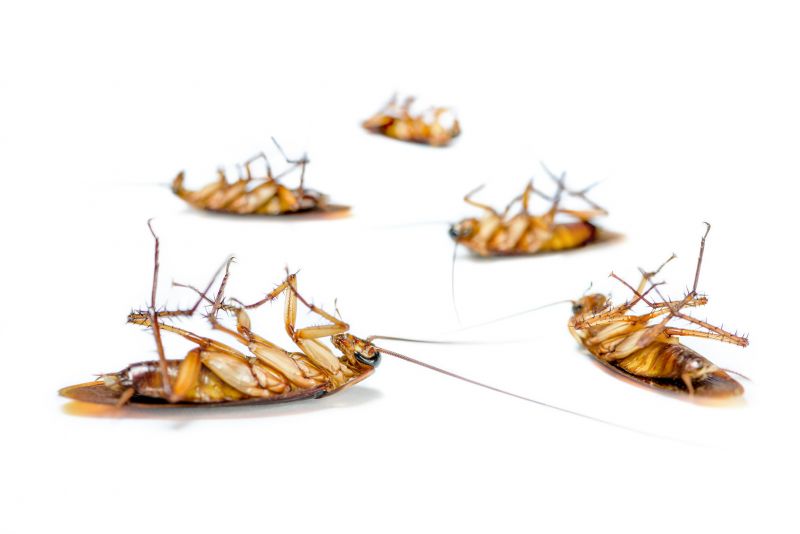


When people search for information about common areas roaches hide, they are typically trying to understand where these pests tend to settle within a property. Roaches are nocturnal insects that prefer dark, hidden spaces, especially in areas where they can find food, moisture, and shelter. Common areas such as behind appliances, inside cabinets, under sinks, and within wall voids are frequent hiding spots. Homeowners often want to learn about these locations to better identify potential infestations and understand the challenges involved in eliminating them.
This topic is closely related to pest control plans aimed at eradicating roaches and preventing future problems. Identifying where roaches hide helps in designing effective treatment strategies, which might include targeted bait placements, residual sprays, or sealing entry points. Recognizing common hiding spots also helps homeowners avoid disrupting the pests’ refuge areas during routine cleaning or renovations, which can inadvertently spread the infestation. Many property owners seek this information to work alongside local service providers who can implement comprehensive pest management solutions tailored to these specific hiding places.
The types of properties where common areas roaches hide are quite varied, but they tend to be most problematic in residential homes, apartment complexes, and multi-family buildings. These environments often have numerous small, dark, and hard-to-reach spaces that provide ideal shelter for roaches. Food storage areas, kitchens, and bathrooms are common trouble spots, especially where clutter or moisture accumulates. Additionally, commercial properties such as restaurants, grocery stores, and food processing facilities often face challenges with roaches hiding in storage rooms, behind equipment, or within structural voids, making professional pest control services essential for effective management.
Understanding where roaches hide within common areas helps homeowners and property managers grasp the importance of targeted pest control efforts. Local pros who specialize in roach extermination are equipped to inspect these difficult-to-access spots, identify the specific hiding places, and apply treatments that reach into cracks, crevices, and concealed spaces. This approach not only addresses existing infestations but also reduces the likelihood of future problems by sealing entry points and advising on sanitation practices. Connecting with experienced service providers ensures that all the common hiding spots are thoroughly treated, making it easier to maintain a roach-free environment.
Building inspection services - inspectors assess hidden areas in buildings to identify potential pest harborages, including common areas where roaches may hide.
Pest exclusion services - contractors focus on sealing entry points and blocking access, which is essential for preventing roaches from inhabiting common areas.
Sanitation and cleanup services - specialists clean and remove clutter in shared spaces, reducing hiding spots for roaches in common areas.
Structural repair services - repairs to walls, floors, and ceilings help eliminate cracks and gaps that serve as hiding places for roaches.
Moisture control services - addressing leaks and damp areas in communal spaces can reduce attractants for roaches hiding in common areas.
Integrated pest management consulting - professionals develop comprehensive plans that target common hiding spots for roaches in shared environments.
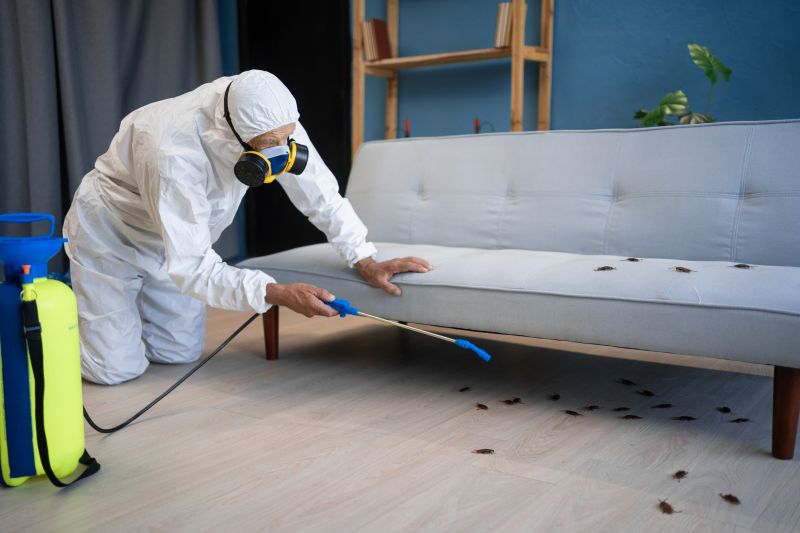
When comparing service providers for roach pest control, especially for issues related to common areas where roaches tend to hide, it is important to consider their experience with similar projects. Homeowners should inquire about the contractors’ background in handling infestations in shared spaces, such as hallways, laundry rooms, or communal storage areas. An experienced provider will have a better understanding of the common hiding spots and effective treatment methods, which can lead to more thorough and lasting results.
Clear written expectations are essential when evaluating potential contractors. Homeowners should seek detailed descriptions of the services offered, including the scope of work, treatment procedures, and any preparations or follow-up actions required. Having this information in writing helps ensure there are no misunderstandings and provides a basis for assessing whether the service provider’s approach aligns with the specific needs of the property’s common areas.
Reputable references and effective communication are key factors in selecting a reliable service provider. Homeowners are encouraged to ask for references from previous clients who faced similar issues, as this can provide insight into the contractor’s reliability and quality of work. Additionally, good communication - including prompt responses to questions and clear explanations of treatment options - can make the process smoother and more transparent. Choosing a local contractor known for professionalism and responsiveness can contribute to a more confident and satisfactory pest control experience.
Property owners often search for common areas roaches hide when they are planning practical projects around their homes and businesses. Local pros provide Roach Pest Control services for everyday jobs and straightforward project options.
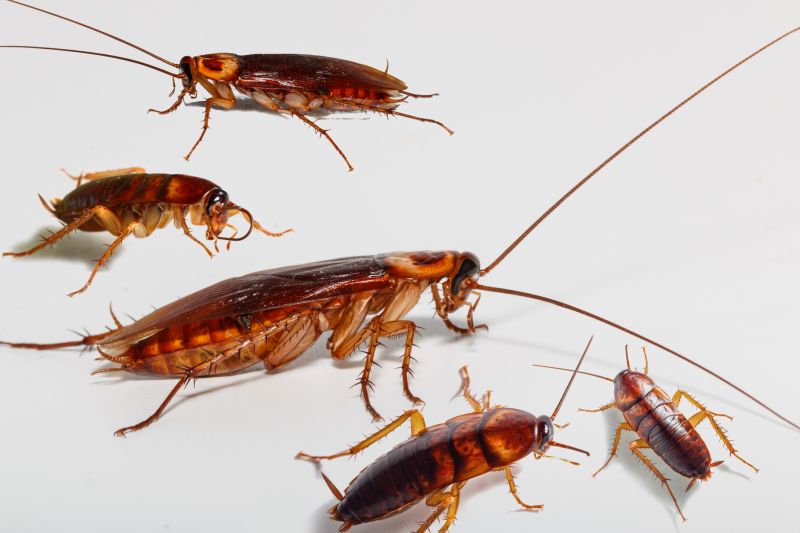
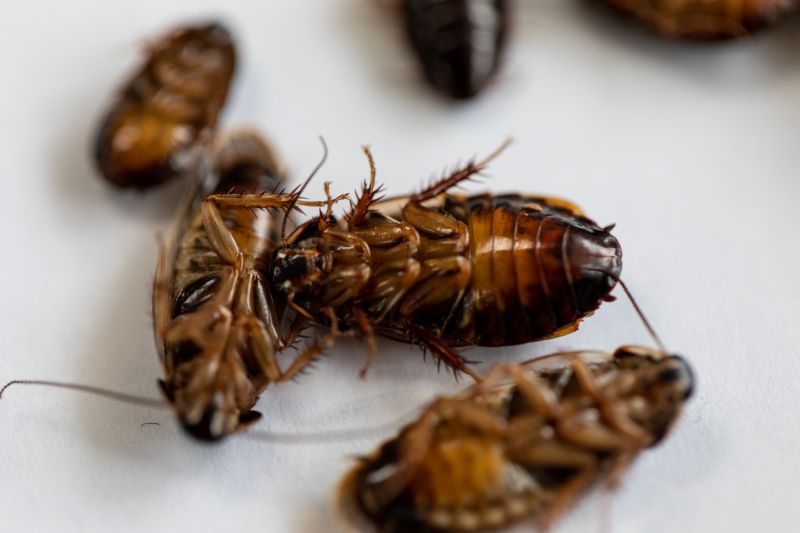
Common areas where roaches tend to hide are often overlooked during routine cleaning or maintenance, making them attractive spots for infestations to develop. Property owners dealing with persistent roach issues might find themselves searching for effective solutions to eliminate these pests from hidden corners, such as behind appliances, within cabinets, or in cracks and crevices. In many cases, hiring experienced service providers who specialize in roach pest control can help address these hidden harborages and prevent future infestations by targeting the areas where roaches are most likely to hide.
For those concerned about roaches lurking in common areas, connecting with local contractors who understand the habits and hiding spots of these pests can be a practical step. These professionals can assess the property to identify and treat the areas where roaches hide, helping to reduce the likelihood of recurring problems. Whether dealing with a minor nuisance or a more significant infestation, property owners can find local service providers equipped to handle the job and restore comfort to their living or working spaces.
Why do roaches hide in common areas? Roaches tend to hide in common areas because these spaces offer dark, warm, and accessible places that provide shelter and food sources, making them attractive for infestation.
What are typical hiding spots for roaches in common areas? Common hiding spots include behind appliances, inside cabinets, under sinks, in wall voids, and near clutter or debris where they can remain concealed.
How can local pest control service providers locate roaches in these hidden areas? Local contractors often perform thorough inspections, checking dark, secluded spots and using specialized tools to identify roach activity in common areas.
What methods do pest control pros use to eliminate roaches hiding in common areas? They typically use targeted treatments such as baits, dusts, and residual sprays in concealed spots to effectively reduce roach populations.
Can regular cleaning help reduce roaches hiding in common areas? Regular cleaning and removing clutter can make hiding spots less accessible and less appealing to roaches, complementing professional pest control efforts.
Identify common hiding spots - property owners can inspect areas like cabinets, appliances, and storage spaces to locate where roaches may be hiding in shared areas.
Reduce clutter and debris - clearing out clutter in common spaces can eliminate roach hiding places, making pest control efforts more effective with help from local contractors.
Seal entry points and cracks - sealing gaps around pipes, vents, and baseboards can prevent roaches from accessing these common areas, supported by local pest control services.
Implement ongoing monitoring - setting up traps and regular inspections in shared spaces can help track roach activity and inform targeted treatments by local pros.
If you are thinking about common areas roaches hide for a property, this guide is meant to help you understand this topic, the typical project types, and how different options might fit your plans.
When you are ready, you can use the quote form on this page to share a few details about your project. From there, local pros can review the basics and follow up with options that match what you have in mind.