
How Routine Pest Control Helps Prevent Major Infestations
Routine pest control services provided by local contractors help prevent major infestations by regularly targeting pests before they become serious problems.
Understanding how routine pest control helps prevent major infestations is essential for property owners looking to maintain a pest-free environment. Regular visits by local service providers can address early signs of pest activity, helping to eliminate problems before they escalate into larger, more costly issues. By establishing a consistent pest management routine, property owners can reduce the chances of pests finding entry points or establishing nests, ultimately protecting their investments and ensuring peace of mind.
For those in the community concerned about ongoing pest issues or seeking proactive solutions, working with local contractors who specialize in routine pest control offers practical benefits. These professionals bring local expertise and tailored approaches that suit the specific needs of the area, making it easier to stay ahead of potential infestations. Continuing routine pest control services not only helps prevent major pest problems but also supports a healthier, more comfortable property environment-an important consideration for any property owner.
- Routine pest control - homeowners noticing early signs of pests can rely on local contractors to establish preventative treatments that stop infestations before they grow.
- Regular pest inspections - property owners seeking to identify potential pest issues early can have local service providers perform routine checks to catch problems in their initial stages.
- Preventative pest treatments - those aiming to reduce the risk of major infestations can schedule ongoing pest control services that target common pest entry points and nesting areas.
- Seasonal pest management - residents experiencing seasonal pest activity can work with local pros to implement tailored treatments that minimize the chance of large-scale invasions.
- Property maintenance programs - property managers wanting to protect multiple units or commercial spaces can coordinate with local contractors to integrate pest prevention into regular maintenance routines.
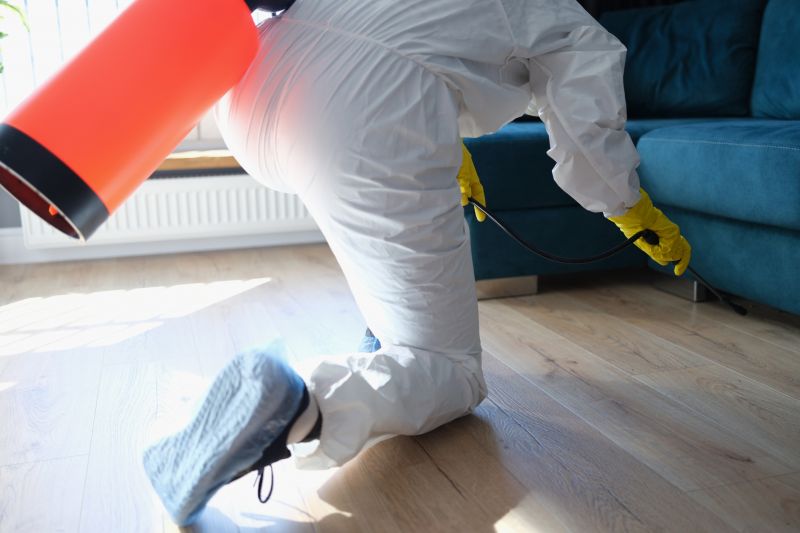

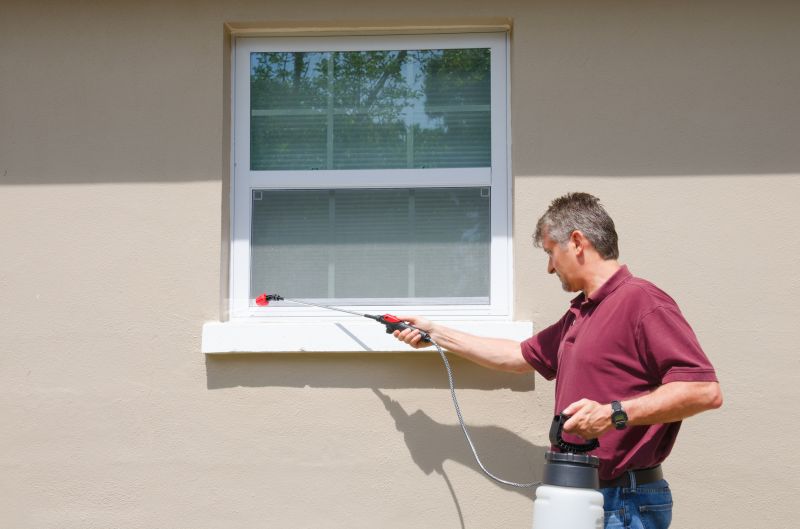
When people search for how routine pest control helps prevent major infestations, they are often seeking to understand the benefits of regular pest management beyond just addressing current issues. The focus is on proactive measures that keep pests from establishing a foothold in the first place. Routine pest control involves scheduled treatments and inspections designed to identify early signs of pest activity, target common problem areas, and create a barrier that discourages pests from moving in. Homeowners interested in this approach typically want to avoid the disruption and expense of dealing with large infestations later on, making prevention a key priority.
This topic relates to a variety of pest-related problems and planning strategies. Many property owners face nuisances from insects like ants, cockroaches, or spiders, as well as rodents or other common pests. Without regular treatments, these pests can multiply rapidly, leading to significant infestations that are more difficult and costly to eliminate. Routine pest control plans are often integrated into broader property management efforts, serving as a preventative measure to reduce the risk of infestations before they grow out of control. This approach aligns with plans to maintain a clean, pest-free environment and minimize potential damage or health concerns associated with pests.
The types of properties that typically come up in discussions about routine pest control include residential homes, apartment complexes, and small commercial buildings. Homes with yards or gardens may be more vulnerable to pests that seek outdoor shelter or food sources, making routine treatments especially important. Multi-family residences often require regular pest management to prevent cross-unit infestations, while commercial properties like restaurants or offices also benefit from ongoing pest control to meet health standards and protect their reputation. Regardless of property type, the goal is to establish a consistent pest management routine that keeps pests from gaining a foothold.
Local service providers specializing in routine pest control play a vital role in helping property owners implement effective prevention strategies. These professionals perform regular inspections, targeted treatments, and monitoring to identify early signs of pest activity. Their expertise helps homeowners understand specific vulnerabilities in their properties and how routine pest control can address those risks. By maintaining a consistent schedule, local contractors help prevent major infestations from developing, saving property owners time, money, and stress down the line. Connecting with experienced pest control providers ensures that routine prevention becomes a practical, manageable part of property maintenance.
Rodent proofing projects involve identifying and sealing entry points, which complements routine pest control efforts in preventing major infestations.
Termite inspection services require detailed planning and careful use of tools to detect early signs of infestation, aligning with pest control strategies.
Wildlife exclusion projects focus on humane removal and barrier installation, supporting ongoing pest prevention through routine services.
Bed bug treatment programs involve targeted application techniques that benefit from regular pest control to maintain a pest-free environment.
Mosquito control services include larvicide application and habitat reduction, which work alongside routine pest control to prevent larger outbreaks.
Crack and crevice sealing projects require precise planning and tools to block pest entry points, enhancing the effectiveness of ongoing pest prevention efforts.
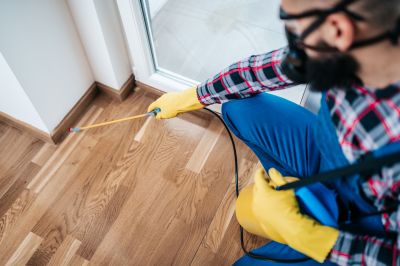
When comparing local contractors for routine pest control services, it’s important to evaluate their experience with similar projects. Homeowners should inquire about how long the service provider has been performing pest control work and whether they have handled homes with comparable size, layout, or pest issues. A contractor with a proven track record in preventing infestations through regular treatments can offer insights into effective strategies and the consistency of their service. This background helps ensure that the chosen professional understands the nuances of maintaining a pest-free environment over time, reducing the risk of major infestations developing unexpectedly.
Clear written expectations are also a key factor when selecting a service provider. Homeowners should seek detailed information about what the routine pest control service includes, such as the frequency of visits, areas to be treated, and any preparations needed before appointments. Having a transparent understanding of what to expect helps prevent misunderstandings and ensures that the pest management plan aligns with the homeowner’s needs. Well-defined service plans also make it easier to assess whether the contractor’s approach is comprehensive enough to help prevent major pest problems before they escalate.
Reputable references and good communication are vital to making an informed choice. Homeowners can ask potential service providers for references from previous clients who have had similar pest control needs, providing insight into the contractor’s reliability and effectiveness. Additionally, a contractor who communicates clearly and promptly about service details, follow-up procedures, and any concerns demonstrates professionalism and a commitment to customer satisfaction. Effective communication ensures that homeowners feel confident in the service plan and can address questions or adjustments quickly, which is essential for maintaining ongoing pest prevention efforts and avoiding larger infestations down the line.
Property owners often search for how routine pest control helps prevent major infestations when they are planning practical projects around their homes and businesses. Local pros provide Routine Pest Control services for everyday jobs and straightforward project options.
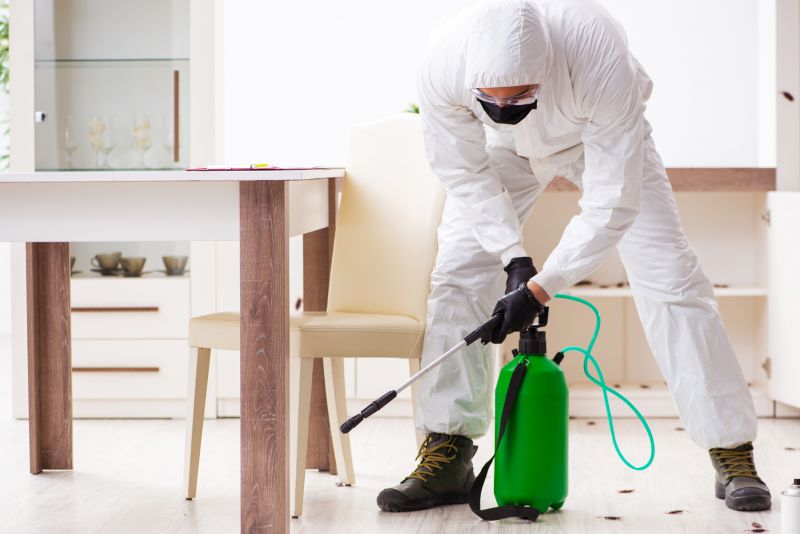
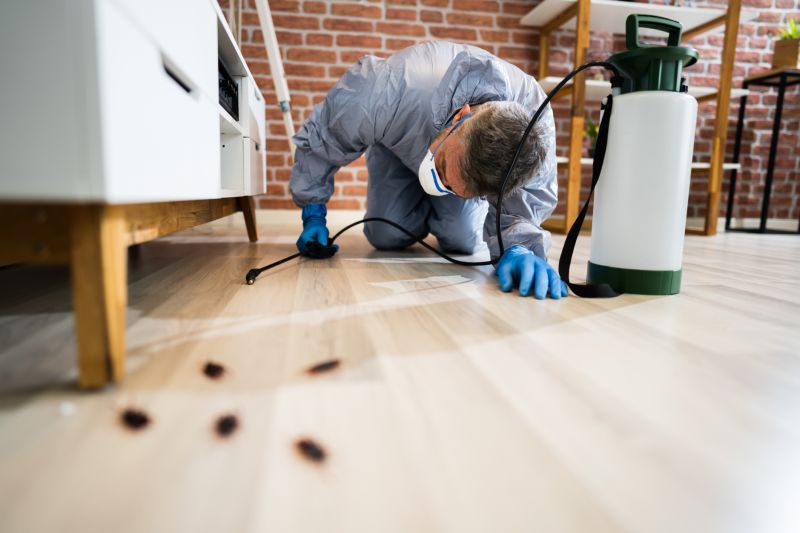
Routine pest control services are an essential part of maintaining a pest-free property, especially in areas where certain pests are common. Regular visits from local contractors help identify early signs of pest activity, allowing for quick intervention before an infestation becomes severe. By addressing potential entry points, removing attractants, and applying preventive treatments, property owners can reduce the likelihood of pests establishing themselves and causing damage or discomfort.
Many property owners seek routine pest control to stay ahead of common household pests like ants, spiders, or rodents. Consistent service from local professionals ensures ongoing protection and helps prevent the buildup of pest populations that can lead to major infestations. Regular pest management also contributes to peace of mind, knowing that proactive measures are in place to keep pests at bay and maintain a healthy, comfortable living or working environment.
How does routine pest control help prevent major infestations? Routine pest control services can identify early signs of pest activity and treat areas proactively, reducing the risk of a full-blown infestation before it develops.
Why is consistent pest management important for infestation prevention? Regular pest control helps maintain ongoing protection, addressing pest issues before they become severe and preventing pests from establishing long-term colonies.
What role do local contractors play in preventing infestations through routine pest control? Local service providers implement targeted treatments and inspections that help detect pests early, minimizing the chance of a major infestation taking hold.
Can routine pest control eliminate pests before they cause damage? Yes, routine treatments can control and reduce pest populations early, preventing damage to property and reducing the likelihood of a major infestation.
How does routine pest control contribute to long-term pest prevention? Regular services create a barrier against pests, addressing potential entry points and nesting sites before pests can establish themselves and cause significant problems.
Regular inspections - routine pest control services include periodic inspections that help identify early signs of pest activity, preventing larger infestations from developing.
Targeted treatments - local contractors can apply treatments strategically around the property to address pest hotspots before they grow into major problems.
Preventative measures - pest control professionals can recommend and implement preventative strategies, such as sealing entry points and removing attractants, to keep pests at bay.
Ongoing monitoring - routine pest control involves continuous monitoring of the property, ensuring that any pest issues are caught early and managed effectively.
If you are thinking about how routine pest control helps prevent major infestations for a property, this guide is meant to help you understand this topic, the typical project types, and how different options might fit your plans.
When you are ready, you can use the quote form on this page to share a few details about your project. From there, local pros can review the basics and follow up with options that match what you have in mind.