
Why Spiders And Crickets Invade Residential Properties
Local service providers can help address why spiders and crickets invade residential properties by identifying entry points and applying effective pest control solutions.
Many homeowners notice an increase in spider and cricket activity around their properties during certain times of the year. These insects are often drawn to residential areas due to the availability of food sources, shelter, and moisture. Understanding why spiders and crickets invade residential properties can help property owners identify potential entry points and attractants that might be encouraging these pests to settle in. Exploring this topic provides practical insights into how these creatures find their way inside and what steps can be taken to manage their presence effectively.
For those seeking to reduce the likelihood of spiders and crickets becoming unwelcome guests, local contractors specializing in pest control can offer tailored solutions. These professionals can assess the property, identify vulnerabilities, and implement strategies to keep these insects outside where they belong. Learning more about why these pests invade residential spaces can empower property owners to make informed decisions and work with experienced service providers to maintain a pest-free environment.
- Spider control services are often needed when homeowners notice webs or spider activity inside or around their homes, and local contractors typically use targeted treatments to eliminate infestations. Cricket control services become essential when these insects invade living spaces, especially during warmer months, with local service providers applying barrier treatments and exclusion methods. People seeking to prevent future invasions may turn to local pros for advice on sealing entry points and maintaining yard cleanliness to reduce attractants. When spider or cricket populations grow rapidly, professional pest control can help manage the situation effectively and prevent recurring issues. Both services are frequently requested in cases where outdoor conditions, such as clutter or debris, create ideal hiding spots for these pests.
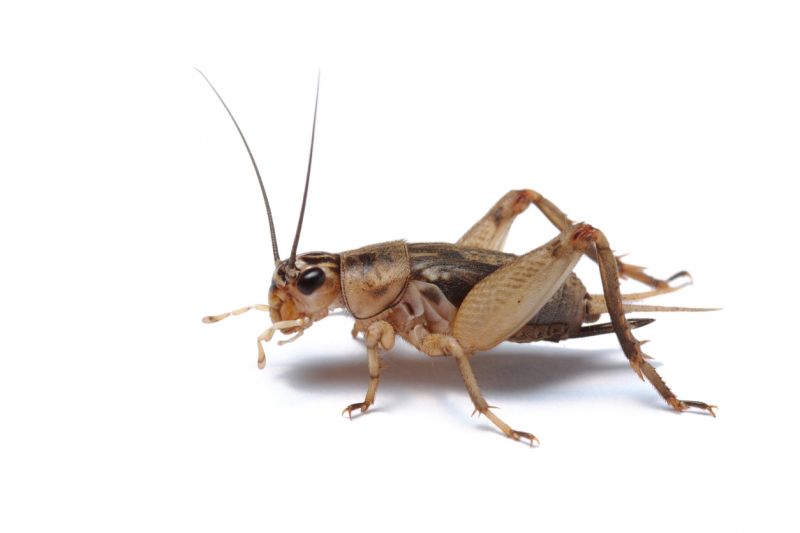
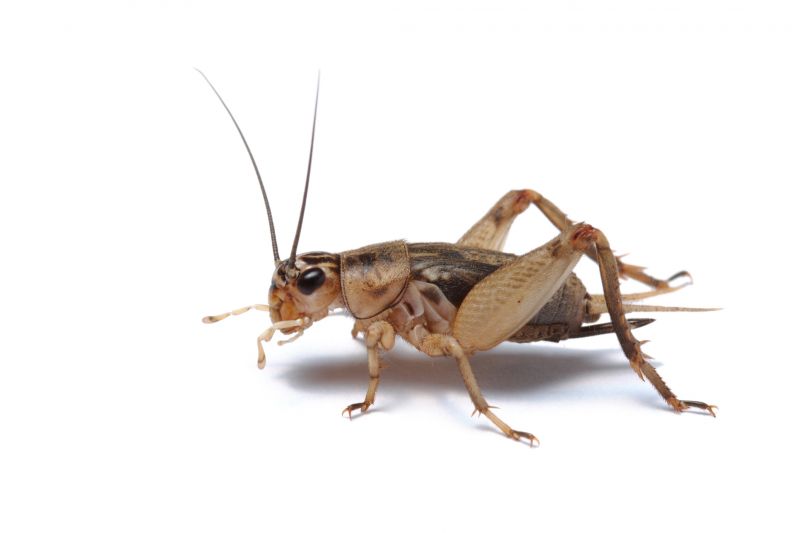
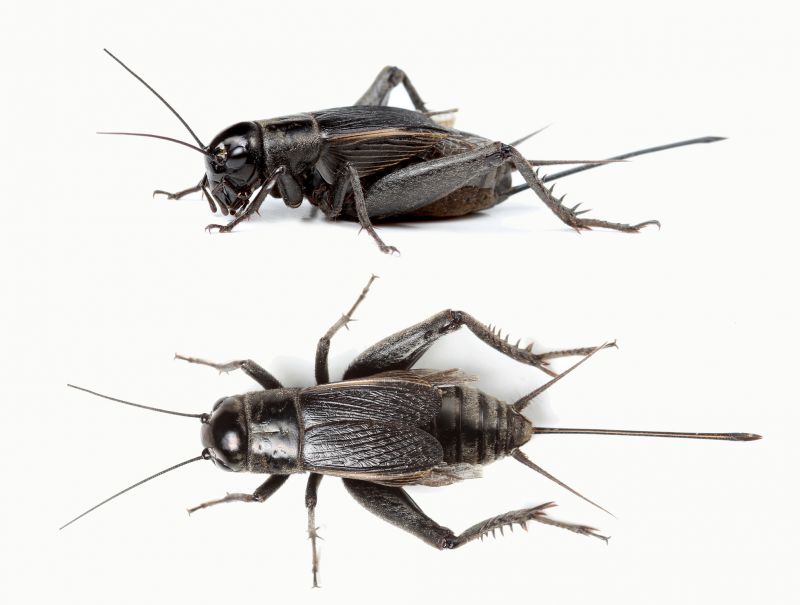
Understanding why spiders and crickets invade residential properties is a common concern among homeowners seeking to manage pest presence effectively. When people search for this topic, they often want to know what attracts these insects and how to prevent them from establishing themselves inside or around their homes. Typically, the focus is on identifying the environmental factors or conditions that draw spiders and crickets, such as clutter, moisture, or unsealed entry points. Homeowners may also be interested in understanding whether these pests pose health risks or if their presence indicates underlying issues like moisture problems or structural gaps.
This topic is closely related to plans for pest prevention and control strategies, especially for those looking to reduce infestations without relying solely on DIY methods. Many homeowners are seeking professional assistance to evaluate their properties and implement effective solutions. For example, local service providers can help identify vulnerable entry points, recommend sealing gaps, and establish ongoing maintenance routines to keep spiders and crickets from becoming persistent problems. Addressing these issues proactively can help prevent larger infestations and create a more comfortable living environment.
Residential properties that typically come up in these discussions include single-family homes, townhouses, and even apartments with accessible outdoor spaces. Properties with yards, gardens, or dense shrubbery tend to attract these pests because they offer ideal hiding spots and food sources. Additionally, homes with unkempt landscaping, debris piles, or excess moisture around the foundation are more susceptible to invasion. Understanding the specific features of a property that invite spiders and crickets can help homeowners work with local contractors to develop targeted control plans that fit their needs and property layout.
In many cases, addressing why spiders and crickets invade residential properties involves a combination of environmental modifications and professional pest control services. Local pest control contractors are equipped to assess the unique conditions of each property, identify points of entry, and recommend tailored treatment plans. These professionals can also advise on habitat modifications, such as reducing clutter, trimming vegetation, and managing moisture, to make homes less inviting to these pests. Connecting with experienced service providers can be an essential step for homeowners seeking effective, long-term solutions to spider and cricket invasions.
Pest Inspection Services - These projects involve thorough inspections to identify pest entry points and nesting areas, which are essential for controlling spider and cricket invasions.
Home Sealing and Weatherproofing - Sealing cracks, gaps, and potential entry points helps prevent spiders and crickets from entering residential properties, requiring similar planning and tools.
Outdoor Landscaping and Debris Removal - Clearing yard debris and maintaining landscaping reduces hiding spots and breeding grounds for pests, aligning with pest prevention strategies.
Insect Barrier Installation - Installing physical barriers around the home helps keep spiders and crickets outside, involving planning and precise installation skills.
Yard Maintenance and Moisture Control - Managing moisture levels and trimming vegetation minimizes attractants for pests, requiring similar knowledge of pest habitat habits.
Residential Exclusion Projects - These involve blocking pests' access points into homes, directly supporting efforts to prevent spider and cricket invasions through targeted repairs.
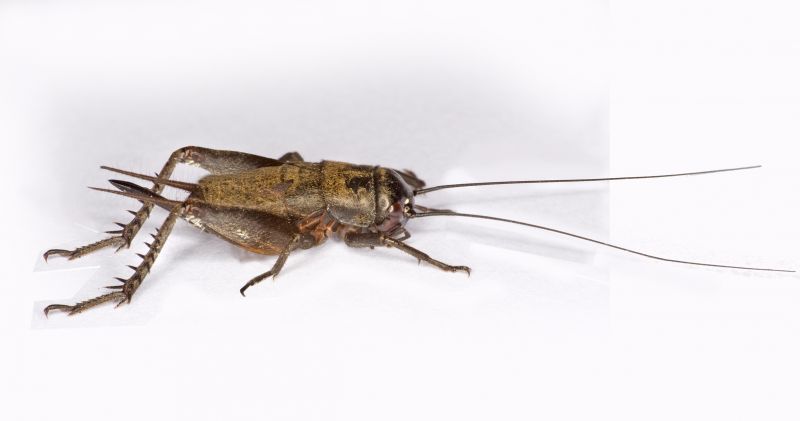
When evaluating service providers for spider and cricket control, it’s important to consider their experience with similar residential projects. Homeowners should inquire about how long a contractor has been working in the area and whether they have handled cases involving common pests like spiders and crickets. An experienced professional will be familiar with the specific conditions that attract these pests, such as landscape features or structural vulnerabilities, and will be better equipped to develop an effective treatment plan. This familiarity can lead to more targeted solutions and potentially more lasting results, helping to address the root causes of pest invasions.
Clear written expectations are essential when choosing a contractor for pest control services. Homeowners should seek providers who can articulate what the treatment process involves, what types of treatments will be used, and what results can reasonably be expected. Understanding the scope of work upfront helps prevent misunderstandings and ensures that both parties are aligned on the goals of the service. Good communication also includes a willingness from the contractor to answer questions and provide guidance on preventative measures to reduce future invasions.
Reputable references and a history of positive feedback can provide valuable insight into a contractor’s reliability and quality of work. Homeowners are encouraged to ask for references or look for reviews that highlight the contractor’s ability to handle similar pest issues effectively. Additionally, service providers who prioritize clear communication and follow-up demonstrate professionalism and respect for the homeowner’s concerns. When selecting a pest control contractor, it’s beneficial to choose someone who maintains transparent communication, has a track record of satisfied clients, and can provide evidence of consistent, quality service.
Property owners often search for why spiders and crickets invade residential properties when they are planning practical projects around their homes and businesses. Local pros provide Spider and Cricket Control services for everyday jobs and straightforward project options.
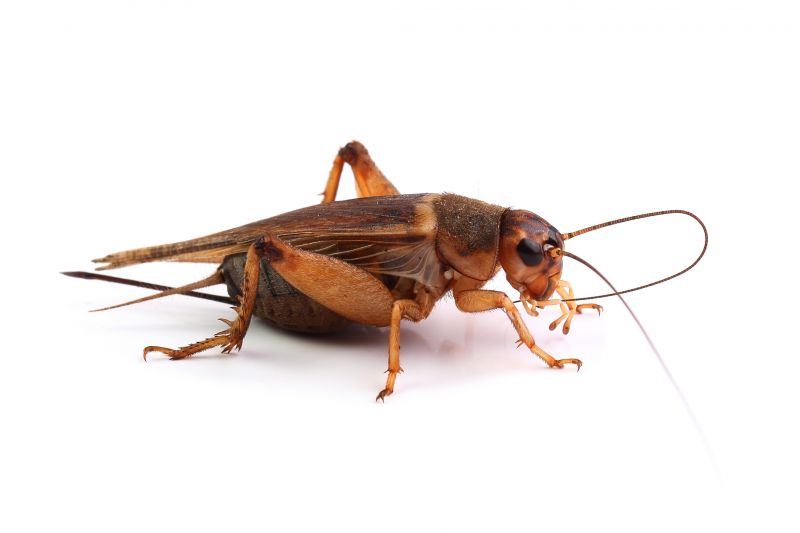
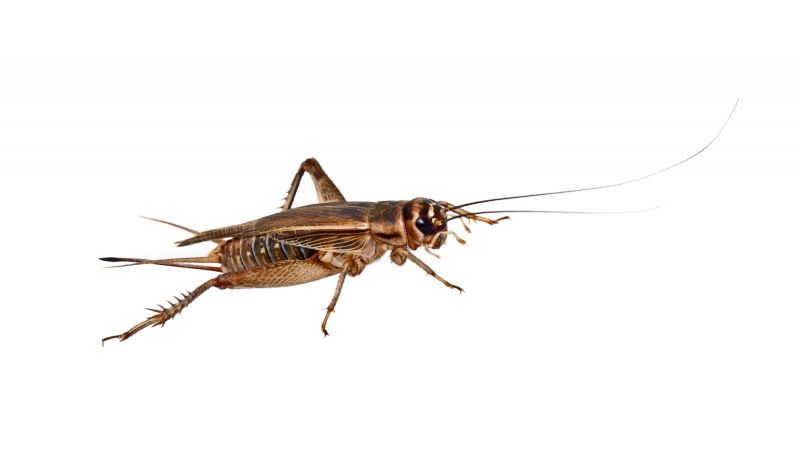
Understanding why spiders and crickets invade residential properties can help property owners identify potential vulnerabilities around their homes. These pests are often attracted to cluttered outdoor spaces, piles of debris, or areas with excessive moisture, which provide ideal hiding spots and breeding grounds. During certain times of the year, especially in warmer months, their activity increases as they seek shelter and sources of food, leading to more frequent encounters indoors or around the perimeter of homes.
For those experiencing persistent pest activity, seeking assistance from local contractors specializing in spider and cricket control can be an effective solution. These service providers can assess the property to identify entry points and attractants, then implement targeted treatments and exclusion methods. Engaging with experienced local pros can help reduce the likelihood of future invasions, creating a more comfortable and pest-free living environment.
Why do spiders and crickets tend to invade residential properties? Spiders and crickets often seek shelter and food sources inside homes, especially during certain seasons or when outdoor conditions become unfavorable. Local contractors can identify entry points and recommend targeted treatments to reduce infestations.
What attracts spiders and crickets to homes? Factors like clutter, moisture, and accessible cracks or gaps can attract these pests. Professional pest control services can help eliminate attractants and implement barriers to prevent future invasions.
How can I prevent spiders and crickets from entering my home? Sealing cracks, reducing outdoor debris, and controlling moisture levels can deter these pests. Local service providers offer inspections and treatments to help keep homes pest-free.
Are spiders and crickets a sign of other pest problems? Yes, their presence can indicate other insects or conditions that attract them. Experienced contractors can assess the situation and provide comprehensive pest management solutions.
What role do outdoor conditions play in spider and cricket invasions? Overgrown vegetation, mulch, and standing water outside the home can create ideal habitats. Local pest control experts can advise on landscaping adjustments and perform treatments to minimize invasions.
Identify entry points - inspecting and sealing gaps, cracks, and openings helps prevent spiders and crickets from entering the home, and local contractors can assist with this process.
Reduce attractants - removing clutter, debris, and excess moisture around the property minimizes hiding spots and food sources that draw these pests indoors.
Maintain yard and landscape - trimming vegetation and managing mulch and leaf piles can limit outdoor habitats that encourage spider and cricket invasions.
Implement targeted treatments - applying barriers and pest control solutions around the foundation and entry points can effectively reduce pest activity, with local service providers offering expert assistance.
If you are thinking about why spiders and crickets invade residential properties for a property, this guide is meant to help you understand this topic, the typical project types, and how different options might fit your plans.
When you are ready, you can use the quote form on this page to share a few details about your project. From there, local pros can review the basics and follow up with options that match what you have in mind.